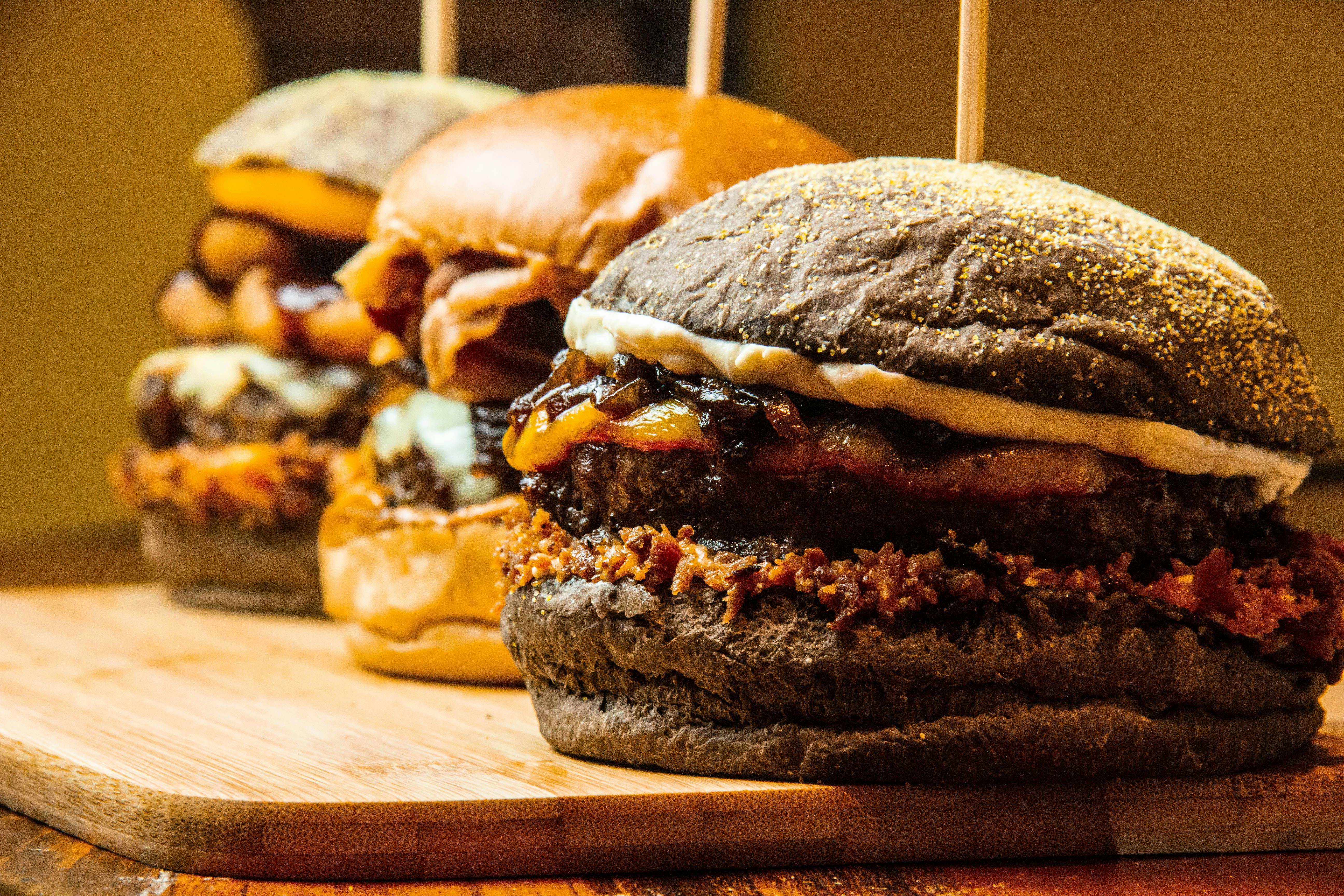
Houston, TX, renowned for its diverse culinary scene, offers an exceptional range of dining experiences. Among these, the smash burger has gained notable popularity. Defined by its thin, crispy-edged patties and an explosion of flavors, the smash burger is a must-try for any burger enthusiast. Whether you’re a local or a visitor, exploring the best smash burgers in Houston is a delightful culinary adventure that should not be missed. This article will guide you through some of the top spots to indulge in this delectable treat, providing valuable insights and recommendations for your next burger hunt.
Understanding the Smash Burger Phenomenon
Before diving into where to find the best smash burgers, it’s essential to understand what makes them distinctive. Unlike traditional burgers, smash burgers are:
- Pressed thinly onto a hot griddle, creating a crispy crust.
- Cooked quickly to preserve juiciness and enhance flavor.
- Often served with minimal toppings to let the meat’s flavor shine.
These characteristics make the smash burger a unique dining option that stands apart from other burger styles.
Top Spots for Smash Burgers in Houston
Downtown Delights
In the heart of Houston, several eateries specialize in crafting smash burgers. These establishments offer an array of choices, from classic cheeseburgers to inventive variations that incorporate local flavors. For those interested in exploring these downtown options, find additional information here.
Neighborhood Gems
Beyond downtown, numerous neighborhood spots offer their take on the smash burger. These locations often provide a cozy atmosphere and a menu that reflects the local community’s taste and preferences. Explore further insights here to discover which neighborhood burger joints are worth a visit.
Food Trucks and Pop-Ups
Houston’s vibrant food truck scene also contributes to the city’s smash burger offerings. Many food trucks and pop-up venues serve creative takes on this classic, often incorporating unique ingredients and cooking techniques. To learn more about these mobile eateries, read more about this topic.
Tips for Enjoying Smash Burgers
To maximize your smash burger experience, consider the following tips:
- Opt for classic combinations: Cheese, lettuce, tomato, and a special sauce are traditional accompaniments.
- Pair with sides: Fries or onion rings complement the flavors of a smash burger perfectly.
- Consider drink pairings: A craft beer or milkshake can enhance your overall meal experience.
These tips can elevate your dining experience, adding to the enjoyment of savoring a well-crafted smash burger.
Conclusion
Houston’s smash burger scene offers a rich tapestry of flavors and styles, each establishment bringing its unique twist to this beloved sandwich. Whether you’re exploring downtown, venturing into neighborhoods, or tracking down a food truck, the city presents an array of enticing options. For those eager to delve deeper into the world of smash burgers, learn more in this detailed guide. By understanding and appreciating the nuances of this culinary favorite, you can embark on a delicious journey through Houston’s dynamic food landscape.